
The Moment Your Community Discovers Its Purpose
The Disconnection Default
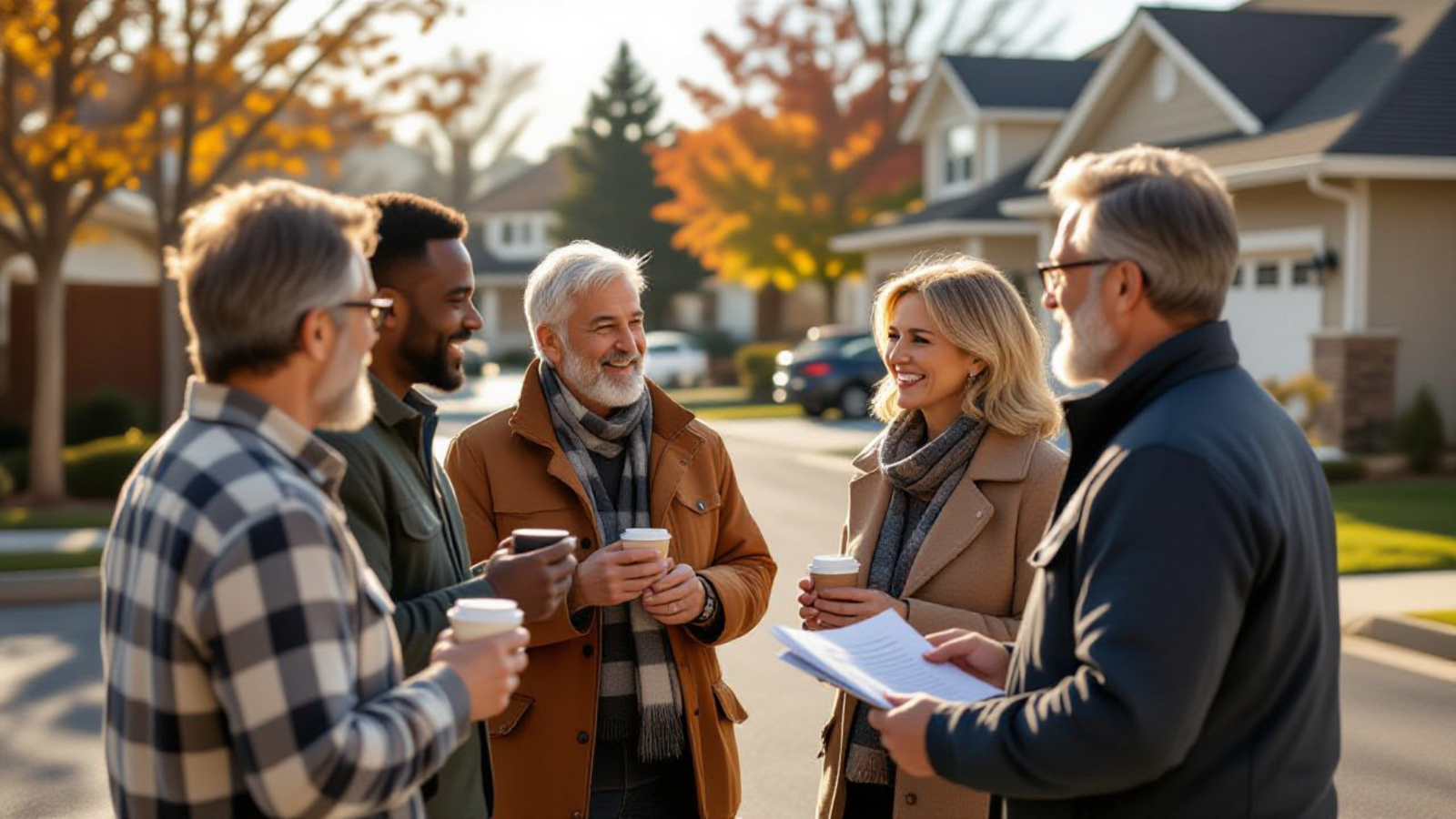
I lived on my cul-de-sac for years without knowing most of my neighbors’ names. We waved, we nodded, we maintained the polite distance that passes for normal. We weren’t unfriendly—just disconnected in the way many neighborhoods are now. Then the city announced plans to build a senior center on the vacant lot at the end of our street—no community input, no consideration for parking, no concern about traffic funneling through a residential dead-end where kids played. The first meeting happened in someone’s driveway because none of us had ever been inside each other’s homes. Within a week, people who’d never spoken were coordinating schedules to attend city planning meetings. We stopped that project. Not because we opposed senior services, but because the city made decisions about our street without asking anyone who lived on it. Margaret Wheatley writes, “There is no power for change greater than a community discovering what it cares about.” We didn’t become a community because we wanted one—we became one because something affected all of us at once.
Discovery, Not Direction
Wheatley’s insight challenges how we think about community engagement. We assume communities need organizers, leaders, formal structures to create change. But the most powerful movements start with discovery—that moment when isolated individuals realize their private concern is shared. Nobody organized us. Nobody told us we should care about local government decisions. We discovered collectively that something was being done to our street, and that discovery created instant momentum. Direction comes from outside, telling people what they should prioritize. Discovery comes from within, revealing what people are already dealing with. One feels like obligation. The other feels like necessity.
Candy Chang’s Before I Die Wall
Discovery works across different kinds of community concerns—from fighting city hall to simply acknowledging shared humanity. Artist Candy Chang was grieving her friend’s death in New Orleans when she turned an abandoned house in her neighborhood into a giant chalkboard with the prompt “Before I die I want to _____.” She expected maybe a few responses. Within a day, the wall was full. Within a week, strangers were gathering there, reading each other’s entries, discovering their neighbors harbored the same dreams, fears, and longings they thought they carried alone. The wall didn’t tell people what to care about. It created space for them to discover what they already did. That discovery—we’re all navigating the same human struggles—transformed an abandoned eyesore into the neighborhood’s gathering point. Chang’s project has since spread to over seventy countries, but the power was never in the concept. It was in neighbors discovering shared humanity they didn’t know existed.
Finding Your Common Ground
Start with what actually affects your daily life in your neighborhood. Not what you think you should care about—what genuinely impacts you. The zoning decision that changes your street’s character. The development that increases traffic. The school boundary change affecting your kids. The business closing that served your community. The decision someone else made about your neighborhood without consulting anyone who lives there. These aren’t abstract community improvement projects. These are things happening to you.
Most people care—they’re just unsure whether anyone else does. Pay attention when people mention these concerns. You’re listening for echoes—moments when someone else names the same issue without prompting. When you hear it, acknowledge it: “That’s affecting me too.” Often that’s all it takes. People have been noticing the same problem, assuming they were alone in caring or powerless to respond.
Don’t immediately jump to organizing. Just keep discovering who else is affected. A conversation at the mailbox. A question in a neighborhood group: “Did anyone else hear about this?” A mention to the neighbor you usually just wave to. What you’re really doing is helping people see they’re not alone in noticing.
Here’s what happens: once people discover they share a concern that’s actually affecting their lives, action emerges because people want their voices heard. Someone knows the city council process. Another person has experience with zoning meetings. Someone else can host a meeting. You don’t manufacture this energy—people are already concerned. Your role is helping them discover they’re not isolated in that concern. When enough people realize the impact is collective, the collective response becomes possible.
This Week’s Observation
Pick one thing affecting your street or neighborhood. Mention it to three people this week. Not to organize—just to see if it matters to them too.
When Care Becomes Action
Communities don’t change because someone decides they should. They change when people discover they’re all being affected by the same thing and realize they don’t have to accept it silently. That discovery creates permission to act—you’re not being difficult or unreasonable, you’re naming something that impacts multiple people. Wheatley understood that this collective recognition holds more power than any formal organization. The change doesn’t come from the structure you build afterward. It comes from the moment neighbors realize they want the same basic thing and can pursue it together.
Notice What Matters
Pay attention this week to what’s happening in your community that affects people’s actual lives. Not abstract improvement—concrete decisions, changes, impacts. Your community’s purpose isn’t something you create from scratch. It’s something you help become visible by acknowledging what you’re all already experiencing. When that happens, everything else follows.
Enjoyed this? Share with others and spread the inspiration!
Support Better Days

Join the Conversation
Making days better isn’t just about reading articles – it’s about sharing and supporting and here’s where you can do that:
Find daily inspiration and conversation on Facebook
Join the discussion on X (formerly Twitter)
Connect with fellow day-makers on LinkedIn
See what we’re up to on Instagram
Thanks for being part of making days better. Sharing helps light the path forward.