
Stop Fighting Reality
The Exhausting Fight
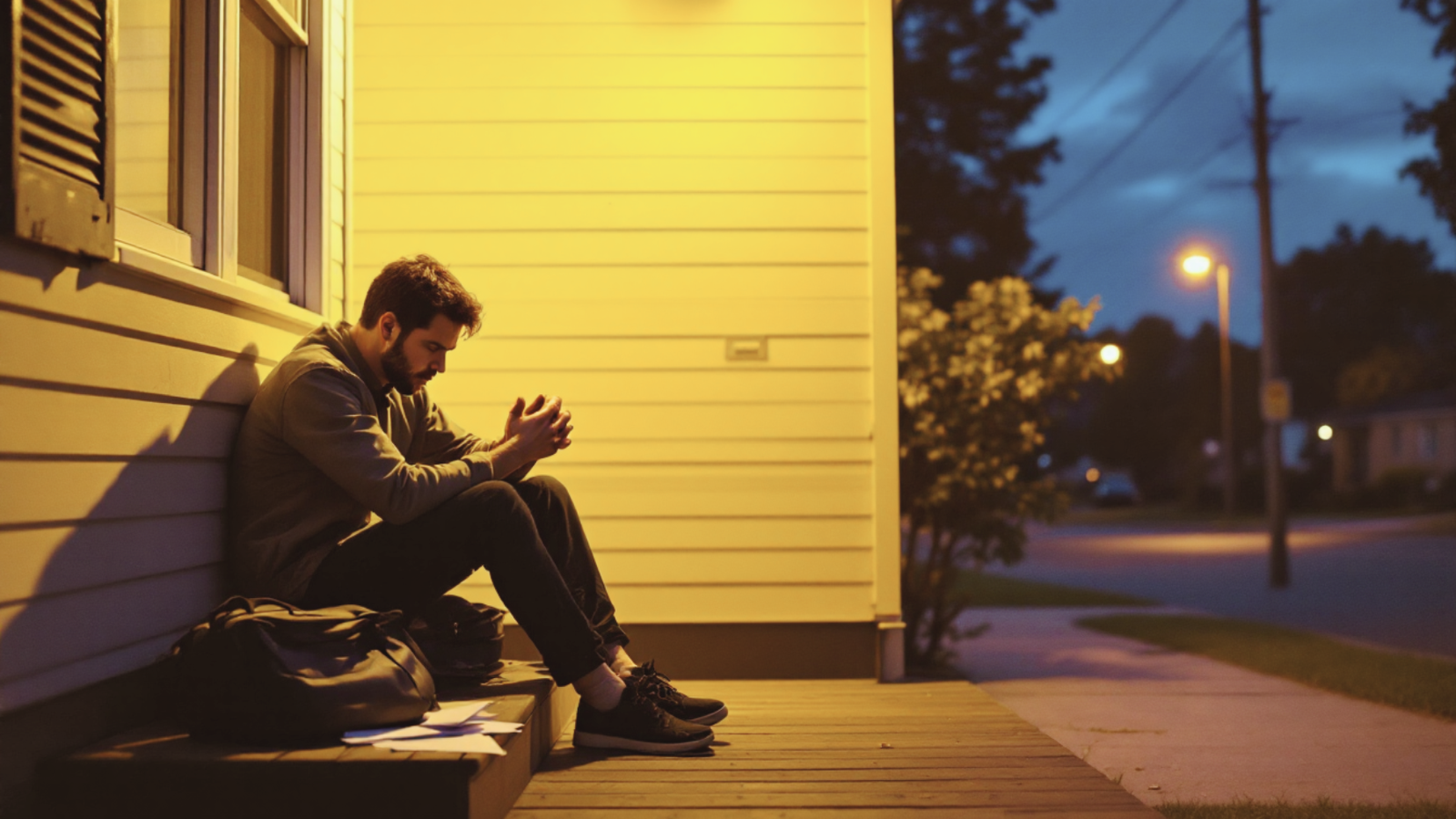
I spent eight months trying to save a freelance contract that was already dead. The client stopped returning calls in July, but I kept sending follow-up emails with new ideas, revised proposals, cheerful check-ins. By December, I was writing drafts at 2 AM, convinced that if I could just find the right angle, the perfect pitch, I could resurrect what we’d had. My husband would find me hunched over my laptop, furiously typing emails I’d never send, and ask why I was still fighting for someone who’d clearly moved on. “Because that’s what you do,” I’d snap. “You don’t give up.” What I didn’t realize was that I wasn’t being persistent—I was being terrified. Terrified that accepting this loss meant I was weak, that letting go meant I didn’t care enough. One night, deleting yet another unsent email, I finally felt it: the bone-deep exhaustion of pushing a door that had been locked from the other side for months. That’s when Sonia Ricotti’s words found their way to me: “Surrender to what is, let go of what was, have faith in what will be.” They named what I’d been too proud to admit I needed.
Three Sacred Truths
Sonia Ricotti learned about surrender the hardest way possible—watching her thriving business crumble overnight, leaving her not just broke but broken. What she discovered in that devastation was that fighting reality is the most expensive energy drain we never budget for.
Her quote maps the territory I’d been stumbling through in the dark:
Surrendering to what is doesn’t mean rolling over—it means stopping the insane energy leak of arguing with facts. The contract was over. Fighting that reality wasn’t going to change it; it was just keeping me from seeing what else was possible.
Letting go of what was means releasing your white-knuckled grip on how things were supposed to turn out. I’d been holding onto not just the income, but the identity I’d built around being someone who “never gives up.”
Having faith in what will be asks you to trust that your current chapter isn’t your final one, even when you can’t see the next page. It’s not blind optimism—it’s exhausted wisdom.
Each step builds on the others, creating space for what wants to emerge instead of what you’re trying to force.
Unexpected Wisdom
Tara Brach, the meditation teacher, tells a story about her daughter falling off her bike and skinning her knee badly. Instead of immediately trying to fix it, distract from it, or minimize it, Tara sat with her daughter and said, “This really hurts right now.” They sat with the hurt for a moment before cleaning and bandaging it. Later, her daughter said it was the first time she’d felt like her pain was real and seen, not something to rush past. That’s surrender—not the dramatic giving up we imagine, but the radical act of acknowledging what’s actually happening instead of spending all your energy wishing it weren’t. Most of us skip straight to the bandage without ever sitting with the hurt. We exhaust ourselves trying to fix what first needs to be felt.
Learning to Release
Here’s what eight months of fighting a dead contract taught me that no meditation app ever could. When you catch yourself in that familiar spiral—refreshing email obsessively, rehearsing conversations that will never happen, making plans that depend on someone else changing their mind—try what I call the “funeral test.” Ask yourself: “If this thing I’m fighting for died completely today, what would I actually lose?” Not the story I tell myself about what it means, but what would actually be gone. For me, it was income and a professional relationship I’d valued. Painful, but not life-ending. The eight months of fighting had cost me more than the original loss ever could have. Now when I feel that familiar clench of resistance, I do a weird thing: I pretend to physically hand the situation to someone else. Like, actually extend my arms and release it into invisible hands. Sounds ridiculous, works brilliantly. Stop fighting what you can’t control to free energy for what you can.
One Sacred Release
Pick the thing you’ve been most exhausted by lately—the situation you keep trying to control, fix, or resurrect that just isn’t responding. Maybe it’s a job application you submitted months ago that you keep mentally reworking, or a friendship that’s clearly cooling but you keep trying to warm back up. For just today, practice treating it like it’s already resolved—not in your favor necessarily, but resolved. Notice what energy comes back to you when you stop spending it on that particular fight.
Found Freedom
Learning to surrender isn’t about becoming someone who doesn’t care deeply. It’s about becoming someone who can tell the difference between caring for something and fighting reality about it. When I finally accepted that the contract was over, I had energy to notice three other opportunities I’d been too distracted to pursue. Surrender didn’t make me passive—it made me available.
Start Now
Right now, there’s something you’re gripping too tightly—some outcome you’re trying to control, some situation you’re fighting that’s already decided. Yesterday, I caught myself refreshing my bank account obsessively, as if checking it more often would somehow change the balance. I literally put my phone in the other room and said out loud, “The money situation is what it is right now.” Within an hour, I’d called a potential client I’d been putting off contacting because I was too busy worrying about money. Take a breath and loosen your grip just slightly. Not let go completely, just… less tight. Sometimes the strongest thing you can do is stop squeezing so hard and see what wants to happen when you’re not strangling it with your need for control.
Enjoyed this? Share with others and spread the inspiration!
Support Better Days

Join the Conversation
Making days better isn’t just about reading articles – it’s about sharing and supporting and here’s where you can do that:
Find daily inspiration and conversation on Facebook
Join the discussion on X (formerly Twitter)
Connect with fellow day-makers on LinkedIn
See what we’re up to on Instagram
Thanks for being part of making days better. Sharing helps light the path forward.