
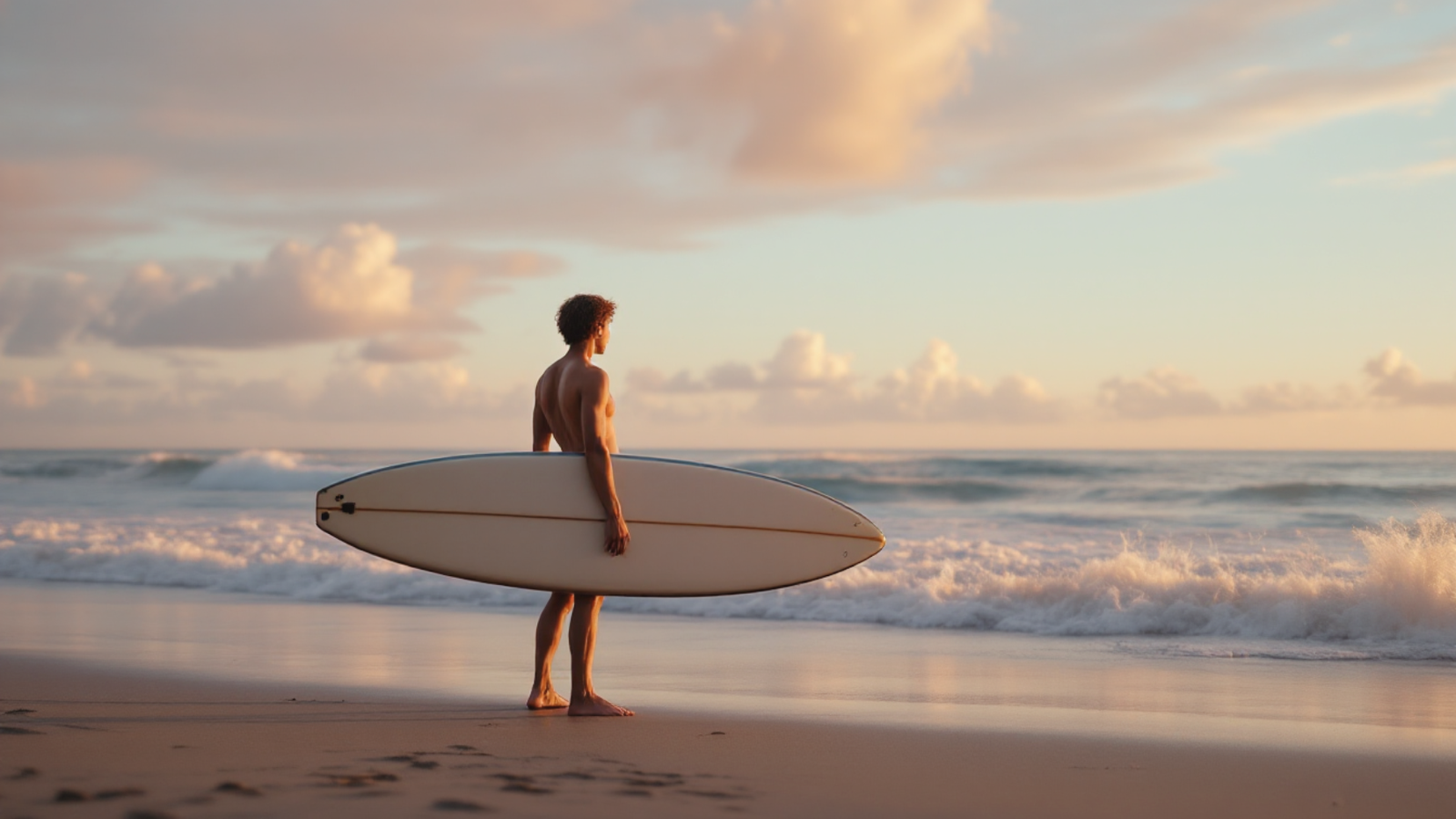
Riding the Waves: Choosing Which Feelings to Surf
When Emotions Arrive
I was standing in my kitchen last Tuesday when anger hit me like a rogue wave. My partner had forgotten—again—to pick up the one thing I’d asked for, and suddenly I was drowning in frustration about feeling unseen. The emotion arrived without permission, without warning. Here’s what I’ve learned: feelings don’t wait for convenient times. They just show up. “Feelings are much like waves, we can’t stop them from coming, but we can choose which one to surf,” goes the saying from Jonatan Mårtensson. Standing there with my coffee getting cold, I had a choice—not about whether to feel the anger, but about what I’d do with it.
The Power to Choose
This quote captures something essential: we’re not actually in control of what we feel. Emotions are biological responses that light up whether we want them to or not. But while we can’t command feelings to disappear, we possess something more powerful—the ability to choose our response. A surfer can’t control which waves form, but they choose which ones to catch and how to ride them. Some waves they let pass. Others they ride with skill. The same goes for our emotional landscape. Anger, joy, grief, excitement—they’re all waves, and we’re standing on the shore making decisions about which ones deserve our energy.
Riding Through Grief
Some waves are small annoyances. Others are tidal changes. When actor Andrew Garfield lost his mother to pancreatic cancer, he spoke openly about choosing to stay present with his grief rather than run from it. He described grief as love with nowhere to go, and instead of pushing those waves away, he learned to surf them—to feel the full weight of loss while still moving forward. He didn’t pretend the waves weren’t there or that they didn’t knock him down sometimes. He acknowledged them, honored them, and made conscious choices about how to engage with that ocean of feeling. He let sadness be sadness, but he also chose which expressions of grief would serve him. That’s emotional surfing in action.
Learning to Surf
So how do we actually practice this? First, notice the wave coming. Most of us are already underwater before we realize we’re feeling something. Practice naming your emotions as they arise: “I’m feeling anxious right now” or “This is anger I’m experiencing.” That small act creates space between you and the feeling. Second, pause before paddling. You don’t have to catch every wave. Some emotions—especially reactive, heat-of-the-moment ones—are worth letting pass. Ask yourself: Will riding this wave take me somewhere I want to go? Finally, choose your technique. If an emotion deserves your attention, engage with it consciously. Anxiety about a work presentation might deserve surfing—you can ride it toward preparation. Some waves lift us—a spark of joy, pride in a win—and those are worth riding all the way to shore. Rage at a careless driver? Let that one roll by.
Today’s Small Surf
Here’s your challenge: The next time you feel a strong emotion rising, pause and name it out loud. “I’m feeling _____.” Then ask yourself one simple question: “Is this wave worth surfing right now?” You might choose yes, you might choose no, but the act of asking puts you back in the surfer’s position rather than the drowning swimmer’s. Try it just once today.
Keep Riding
We’ll never stop the waves from coming—and honestly, we wouldn’t want to. Emotions, even difficult ones, are part of being fully alive. They tell us what matters, what hurts, what brings us joy. The goal isn’t some flat, waveless ocean of perpetual calm. It’s to become skilled surfers who can read the water, choose our rides, and occasionally get knocked down without losing ourselves completely. Some days you’ll wipe out. Some days you’ll catch the perfect wave.
Start Surfing Today
You’re already standing on the shore, board in hand, watching the waves roll in. The question isn’t whether you’ll feel things—you will. The question is: which feelings will you choose to surf, and which will you let pass by? Start paying attention today. Your emotional ocean is waiting, and you’re more capable than you think.
Enjoyed this? Share with others and spread the inspiration!
Support Better Days

Join the Conversation
Making days better isn’t just about reading articles – it’s about sharing and supporting and here’s where you can do that:
Find daily inspiration and conversation on Facebook
Join the discussion on X (formerly Twitter)
Connect with fellow day-makers on LinkedIn
See what we’re up to on Instagram
Thanks for being part of making days better. Sharing helps light the path forward.