
One Human Family: Finding Unity in Our Differences
Common Ground
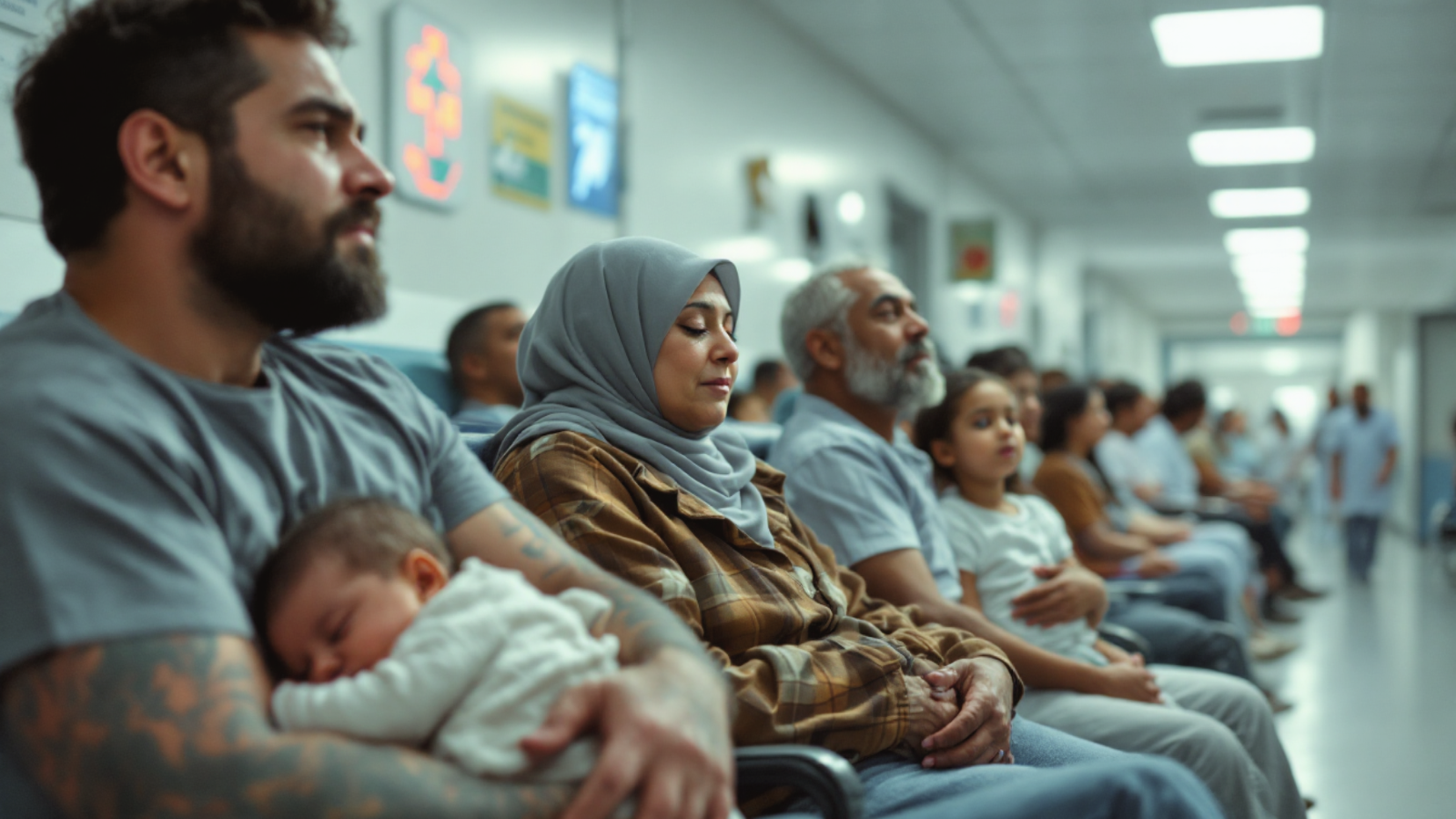
At 2 AM in the emergency room, nobody pretends to be anything they’re not. When my daughter’s fever hit 104, we rushed to the hospital with that particular terror only parents know—the kind that makes your hands shake and your mind race through worst-case scenarios. In the waiting room, I found myself surrounded by people I would normally never speak to: a heavily tattooed man pacing with a crying baby, an elderly woman in a hijab clutching her grandson’s hand, a couple speaking rapid Spanish while their toddler struggled to breathe. We were different ages, colors, languages, backgrounds. Under normal circumstances, we might have nodded politely and looked away. But when you’re all scared about someone you love, everything else becomes irrelevant. When the tattooed man’s baby finally stopped crying, we all exhaled. When the Spanish-speaking toddler got called back first, the relief was shared by strangers. In those hours, our differences meant nothing compared to what we had in common. As Kofi Annan once said, “We may have different religions, different languages, different colored skin, but we all belong to one human race.”
Shared Humanity
Annan spent his life watching people tear each other apart over differences while ignoring everything they shared. He witnessed genocides where neighbors murdered neighbors, peace negotiations that failed because people couldn’t see past their positions, communities destroyed because everyone forgot they wanted the same basic things. When he spoke these words, he wasn’t being naive about how real our differences are—he was pointing to something deeper. Every person he met, whether in a war zone or a boardroom, knew what it felt like to worry about someone they loved, to feel misunderstood, to hope for something better. These experiences don’t erase our differences, but they remind us that underneath every belief, every tradition, every identity, there’s a human being trying to figure out how to get through life without losing what matters most to them.
Bridge Builders
After Hurricane Katrina, Dr. Regina Benjamin treated patients in a makeshift clinic set up in a school gymnasium. She was one of the few Black doctors in an area where many patients had never been treated by someone who looked like her. Some arrived asking for someone else. Others came reluctantly, referred by the only medical professional available for miles. But broken bones hurt the same regardless of who sets them, and infections don’t care about anyone’s comfort level. Day after day, Dr. Benjamin treated everyone—the elderly farmer who warmed up to her after she fixed his shoulder, the young mother who discovered that competent medical care was more important than her previous assumptions, the construction worker whose gratitude transcended language barriers. What changed people’s minds wasn’t speeches about tolerance. It was Dr. Benjamin showing up consistently, treating everyone with the same careful attention, sitting with people in their pain. Sometimes trust grows not through grand gestures but through small, repeated acts of genuine care.
Unity in Action
Start with what makes you uncomfortable. Notice who you automatically avoid and ask yourself why. Instead of avoiding them, create a reason to interact—ask for directions, help with something heavy, advice about something they clearly know better than you. Shared problems cut through awkwardness faster than forced small talk. Volunteer for things where everyone has the same goal, whether it’s serving food, cleaning up after disasters, or helping kids learn to read. Sign up for classes where you’re all beginners—the shared experience of being terrible at something new is surprisingly equalizing. Most importantly, when someone annoys or confuses you, pause and consider what circumstances might make their behavior reasonable. That aggressive driver might be rushing to an emergency. That distracted cashier might be working multiple jobs to support their family. Practice assuming people have good reasons for what they do, even when you can’t see them.
One Small Step
This week, have one real conversation with someone whose background is clearly different from yours. Not weather chat—ask them something you’re genuinely curious about their experience. It could be the person who cuts your hair, your child’s teacher, someone you see regularly but never really talk to. Share something authentic about yourself too. Connection happens when both people risk being slightly vulnerable. Those conversations, small as they seem, are where bridges start.
Our Shared Story
Months later, my daughter was fine, but that night changed how I see waiting rooms, grocery store lines, anywhere people are just trying to get through their day. I started noticing the shared experiences hiding behind our differences—the way everyone’s shoulders relax when good news comes, how we all instinctively make space for someone who’s struggling, the universal language of exhausted parents and worried family members. These moments of recognition happen constantly if you’re paying attention. They remind you that most of the time, we’re all just trying to protect the people who matter to us.
Begin Today
Look for the emergency room moments in ordinary life—times when what really matters becomes obvious. Your willingness to see the person before the differences won’t solve everything, but it might make someone’s day a little better. And sometimes, that’s exactly where meaningful change begins.
Enjoyed this? Share with others and spread the inspiration!
Support Better Days

Join the Conversation
Making days better isn’t just about reading articles – it’s about sharing and supporting and here’s where you can do that:
Find daily inspiration and conversation on Facebook
Join the discussion on X (formerly Twitter)
Connect with fellow day-makers on LinkedIn
See what we’re up to on Instagram
Thanks for being part of making days better. Sharing helps light the path forward.