
Living With Nature Instead of Against It
Finding Balance
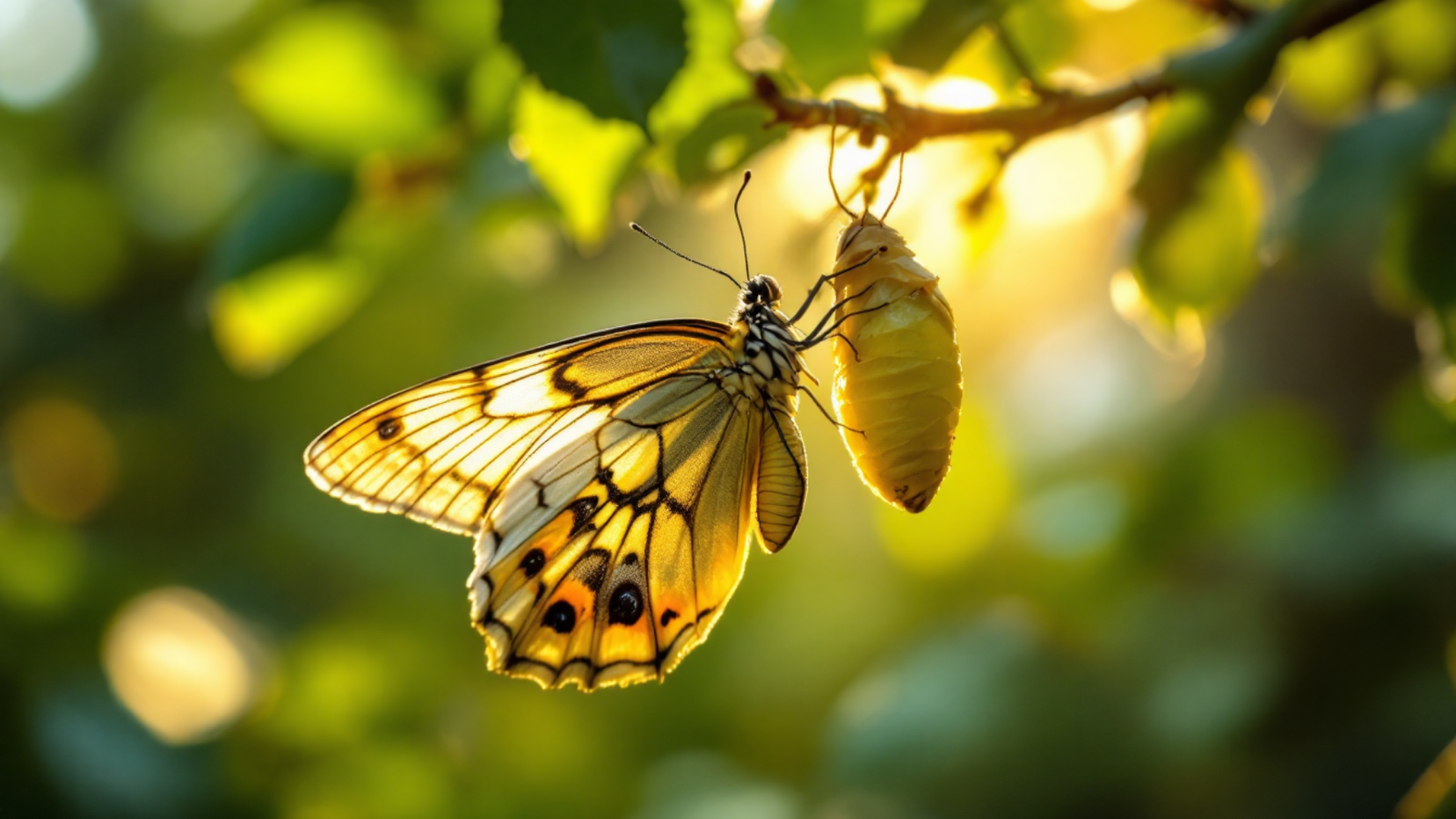
There’s a moment I remember from childhood when I tried to “help” a butterfly emerge from its chrysalis. I was so eager to see the transformation that I carefully peeled away the casing, thinking I was being kind. The butterfly never flew. Years later, I learned that the struggle to emerge is what gives butterflies the strength they need for flight. That early lesson taught me something profound about our relationship with the natural world – sometimes our desire to control and “improve” things actually weakens what we’re trying to help. “The proper use of science is not to conquer nature but to live in it,” observed American biologist Barry Commoner, and his words capture a fundamental shift we desperately need to make.
Revolutionary Thinking
Barry Commoner wasn’t just making a poetic observation – he was issuing a challenge that shook the scientific establishment. In the 1970s, when technology was seen as the cure for everything, Commoner dared to suggest that our problems weren’t from too little control over nature, but from too much. He watched chemical pesticides create superbugs, witnessed urban planning that ignored natural water flow cause flooding, and saw industrial farming deplete the very soil it depended on. His insight cuts deeper than environmental policy – it questions the fundamental assumption that human intelligence means outsmarting natural systems rather than learning from them. What if that butterfly was already teaching me the same lesson Commoner spent his life proving? That nature’s way of doing things often contains a wisdom our interference destroys.
Unexpected Wisdom
Consider Paul Stamets, a mushroom researcher who discovered something extraordinary while grieving his brother’s death from cancer. Instead of trying to engineer new cancer treatments, he began studying how mushrooms naturally break down toxins in forest ecosystems. His research into turkey tail mushrooms led to breakthrough cancer therapies that work with the body’s immune system rather than against it. Stamets didn’t conquer cancer by overpowering it – he found healing by understanding how nature already solves similar problems. His mother, dying of breast cancer, volunteered for his clinical trial using compounds derived from mushrooms growing in old-growth forests. She lived eight more years, long enough to see her grandchildren grow up. This wasn’t luck or coincidence; it was the result of a scientist who chose to live within nature’s existing solutions rather than trying to dominate disease with brute force.
Living Differently
The shift from conquering to living within nature starts with recognizing that every “pest” problem in your garden is actually information about what’s out of balance. When aphids attack your roses, they’re often signaling that the soil lacks certain nutrients or beneficial insects. Instead of reaching for pesticides that kill everything, what if you planted marigolds nearby and added compost to feed the soil community? When weeds take over your lawn, they might be telling you the ground is compacted and needs aeration, not more chemicals. This same principle extends beyond gardening: chronic headaches might be your body’s way of saying you need more water or sleep, not just pain relief. Financial stress often signals that your spending habits are fighting against your actual values and priorities. Even relationship conflicts frequently arise when we try to control or change someone instead of understanding what they’re really communicating. The butterfly I harmed taught me that my impulse to fix and control often prevents the natural strength that comes from allowing processes to unfold as they’re designed to.
Today’s Discovery
Find one area of your life where you’ve been trying to force a solution, and spend today observing what’s actually happening instead of what you think should happen. Whether it’s a struggling plant, a difficult relationship, or a personal challenge, ask: “What is this trying to teach me?” Listen for the answer.
Deeper Truth
Commoner understood something that feels almost revolutionary today: that human beings are not separate from nature but part of it, and our survival depends on remembering this truth. The butterfly struggling in its chrysalis wasn’t suffering – it was building the strength to fly. Our planet isn’t broken and needing our management – it’s a complex, intelligent system that has solutions we haven’t learned to see yet.
Living Forward
Start where you are. Watch the breeze move through a tree, or notice how your pet knows when to rest. Instead of trying to improve the moment, ask what it’s teaching you about living with more wisdom—and less force.
Enjoyed this? Share with others and spread the inspiration!
Support Better Days

Join the Conversation
Making days better isn’t just about reading articles – it’s about sharing and supporting and here’s where you can do that:
Find daily inspiration and conversation on Facebook
Join the discussion on X (formerly Twitter)
Connect with fellow day-makers on LinkedIn
See what we’re up to on Instagram
Thanks for being part of making days better. Sharing helps light the path forward.